Visa, LOI & Border Entry
Visa, LOI, and Border Entry procedures can be complex and vary by country. ATE offers clear, structured guidance to help travelers, tourists, and the Afghan diaspora navigate these requirements with ease. From visa applications and Letters of Invitation (LOI) to entry regulations and documentation checks, our answers provide accurate, up-to-date information. This ensures you are well-prepared and can travel smoothly without unexpected delays or complications.
Q1. Do I need a visa, LOI, or local permits?
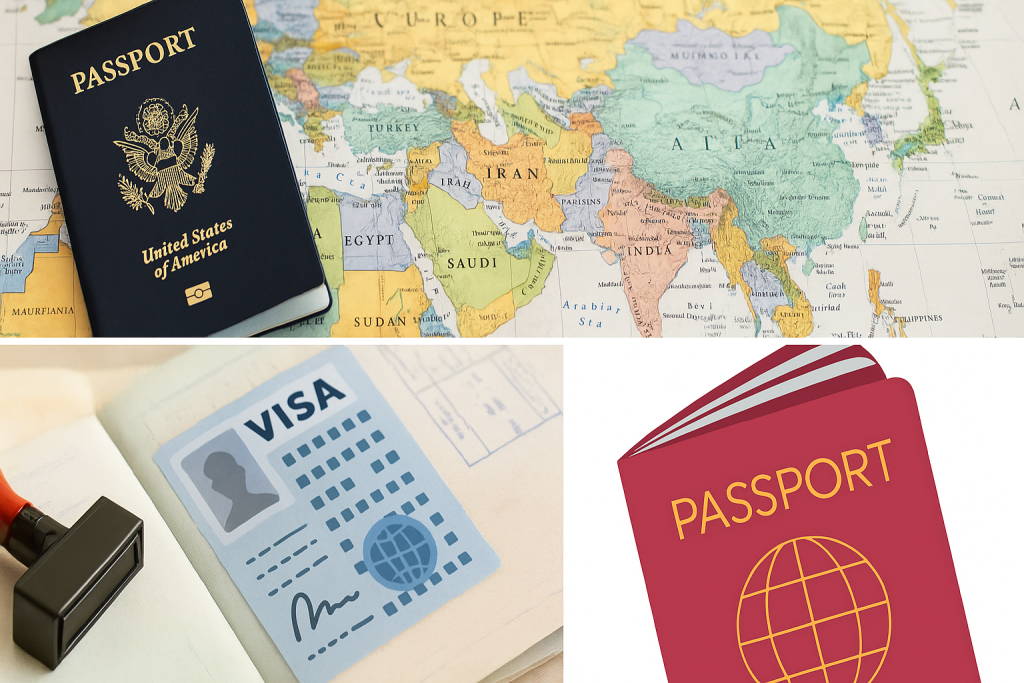
A visa is required for nearly all foreign travelers entering Afghanistan. Depending on your nationality and the embassy where you apply, a Letter of Invitation (LOI) may also be required. LOI policies can change without notice, and requirements vary by consulate.
Some provinces may require additional travel permissions, particularly for remote or sensitive regions. These permits are usually arranged in advance through a registered tour operator and independent travelers can also get it in person too.
Travelers should confirm current embassy procedures, required documentation, and processing timelines before booking flights. ATE provides updated visa guidance, LOI coordination, and route-based permit support to ensure applications are handled correctly and efficiently.Q2. Can I enter Afghanistan by land?
Yes, Afghanistan can be entered by land through several official border crossings. Common entry points include Hairatan (Uzbekistan), TorGhondi (Turkmenistan), Sher Khan (Tajikistan), Islam Qala, Zahedan (Iran), and Torkham, Chaman (Pakistan).
Entry requirements vary depending on nationality and visa type. Some travelers may need confirmed onward travel documentation or additional paperwork.
Border conditions can change due to administrative or political decisions, so travelers should verify operational status before arrival. ATE monitors active land crossings and provides updated entry guidance to minimize unexpected delays.Q3. Do I need travel insurance?
Comprehensive travel insurance is strongly recommended for travel in Afghanistan. Coverage should include medical expenses, emergency evacuation, and trip interruption.
Medical facilities in major cities are functional, but remote areas have limited infrastructure. Evacuation coverage is especially important in case of serious illness or injury.
Travelers should confirm that their insurance provider covers Afghanistan specifically, as some policies exclude certain destinations. ATE advises securing appropriate coverage prior to departure. Still many travelers visiting Afghanistan without insurance because of high cost.Q4. Can I book last-minute?
Last-minute bookings are sometimes possible, but advance planning is highly recommended. Visa processing, LOI issuance, and provincial coordination often require preparation time.
During peak seasons, accommodation and vehicle availability may also be limited. Early planning allows better route customization and smoother logistics.
ATE Tours can assess urgent travel requests, but structured preparation always results in a more reliable experience.Q5. How early should I book flights?
International flights to Afghanistan or nearby transit hubs should ideally be booked 2–4 weeks in advance. Processing timelines for visas and LOIs should be confirmed before purchasing non-refundable tickets.
Flight schedules can vary seasonally, and availability may fluctuate. Travelers entering by land should also confirm onward transport arrangements.
Coordinating flight bookings with visa approval and route planning reduces risk and unnecessary expenses. ATE Tours assists travelers in aligning documentation timelines with travel dates.
Planning travel to Afghanistan? Get structured routes, updated guidance, and on-ground logistics support through ATE.
- Our Expert Are Ready 24/7