Afghanistan is a land of striking contrasts and unforgettable scenery. Beyond the headlines lies a country of towering mountains, turquoise lakes, ancient cities, and warm-hearted people. In 2026, those who look deeper are discovering a place where natural beauty and cultural richness exist in powerful harmony.
Afghanistan’s beauty is not polished or commercialized. It is raw, dramatic, and deeply authentic — the kind of beauty that leaves a lasting impression on every traveler.
Majestic Mountains and Untouched Landscapes
Afghanistan is dominated by the mighty Hindu Kush mountain range, which stretches across much of the country and shapes its rugged terrain.
The Hindu Kush
The Hindu Kush offers snow-capped peaks, dramatic valleys, and remote villages that seem frozen in time. In spring and summer, green meadows contrast with sharp mountain ridges, while winter transforms the region into a white alpine wonderland.
The Wakhan Corridor
In the far northeast lies the breathtaking Wakhan Corridor, a narrow strip of land surrounded by some of Asia’s highest mountain ranges. This remote region is home to nomadic communities, crystal-clear rivers, and wide-open skies that stretch endlessly toward the horizon.
Lakes That Glow Like Sapphire
Among Afghanistan’s most stunning natural treasures are its lakes, which shine with an almost unreal shade of blue.
Band-e-Amir
Located in Bamyan Province, Band-e-Amir National Park is famous for its chain of deep blue lakes separated by natural mineral dams. The reflection of the surrounding cliffs on the calm water creates a peaceful and almost magical atmosphere.
Valleys of Culture and History
Afghanistan’s beauty is not only found in nature — it is carved into its architecture, cities, and historical landmarks.
Bamiyan Valley
The Bamiyan Valley combines natural grandeur with deep history. Surrounded by towering cliffs, it was once home to the famous Buddhas of Bamiyan, monumental statues that stood for over 1,500 years. Today, the valley remains one of the country’s most scenic and culturally significant areas.
Herat’s Architectural Elegance
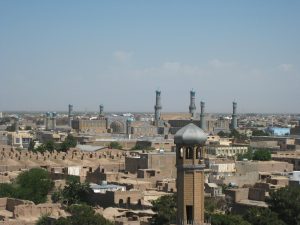
The city of Herat is often described as Afghanistan’s cultural capital. The magnificent Great Mosque of Herat, with its vibrant blue tiles and intricate Islamic design, stands as a symbol of artistic beauty and spiritual devotion.
The Beauty of Afghan Culture
Afghanistan’s true beauty also lives in its traditions and people.
From colorful handmade carpets to traditional music and poetry, Afghan culture reflects centuries of creativity. Hospitality remains a core value — guests are welcomed with tea, bread, and open hearts. In villages and cities alike, daily life carries a rhythm shaped by resilience, family, and faith.
The bazaars of Kabul are alive with movement, color, and craftsmanship, offering a glimpse into both history and modern life.
A Beauty That Stays With You
Afghanistan’s beauty is not loud or flashy. It is found in quiet mountain mornings, in the golden light over ancient valleys, and in the strength of communities who preserve their heritage despite challenges.
In 2026, Afghanistan remains one of the world’s most visually stunning yet least explored countries. Its landscapes are vast, its history profound, and its spirit unforgettable.
For those who see beyond the surface, Afghanistan reveals a rare and timeless beauty — one that cannot be easily described, only experienced.