Culture & Etiquette
Understanding local culture and etiquette is essential for respectful and enjoyable travel, and ATE provides clear, context-aware guidance for every destination. From greetings, dress codes, and dining manners to customs, traditions, and social norms, our answers help travelers, tourists, and the Afghan diaspora navigate cultural expectations with confidence. We also highlight sensitive practices and tips to avoid misunderstandings, ensuring interactions are positive and respectful. By offering practical insights, ATE empowers travelers to engage meaningfully with local communities while enjoying a smoother, more enriching experience.
Q1. How should I interact respectfully with locals?
Afghan culture places strong emphasis on hospitality, dignity, and respectful behavior. A polite greeting such as “Salam Alaikum,” modest dress, and calm body language go a long way.
Avoid loud behavior, public displays of affection, or sensitive political discussions. When visiting homes or villages, wait to be invited inside and follow your guide’s cues.
ATE provides cultural briefings before each regional visit so travelers understand expectations clearly. Respectful interaction consistently leads to warm and memorable exchanges.Q2. What should I expect in villages?
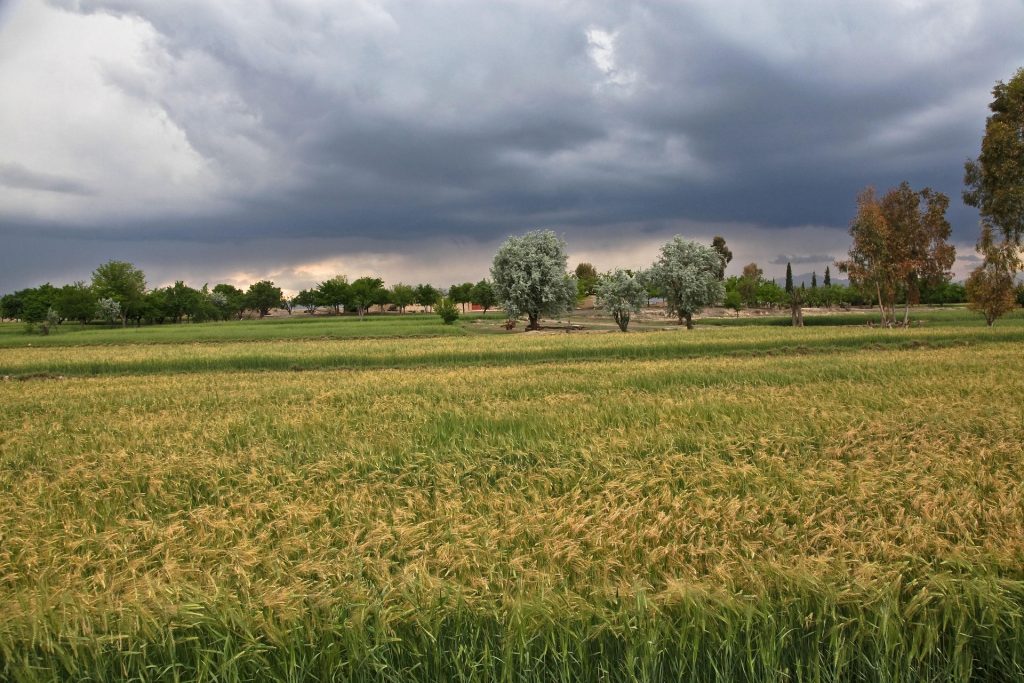
Village life in Afghanistan is traditional, community-oriented, and often deeply hospitable. Visitors may be offered tea immediately and treated as honored guests.
Infrastructure is basic in many rural areas. Roads may be unpaved, and electricity can be limited. Modest dress and respectful behavior are especially important.
ATE coordinates introductions where appropriate and ensures visits remain culturally sensitive and well-timed.Q3. What surprises visitors most?
Many visitors are surprised by the level of calm daily life and the generosity of local hospitality. Media portrayals rarely reflect the ordinary rhythm of markets, tea houses, and family life.
Travelers often note the warmth of conversations and the pride locals take in sharing culture and history.
Structured planning allows visitors to see beyond headlines and experience everyday Afghanistan.Q4. How should I interact with elders?
Elders hold respected positions in Afghan society. Greet them politely, stand when they enter a room if appropriate, and avoid interrupting.
Allow your guide to facilitate introductions in rural areas. A calm tone and attentive listening demonstrate respect.
Cultural awareness in these interactions strengthens trust and mutual understanding.Q5. What makes Afghanistan unique?
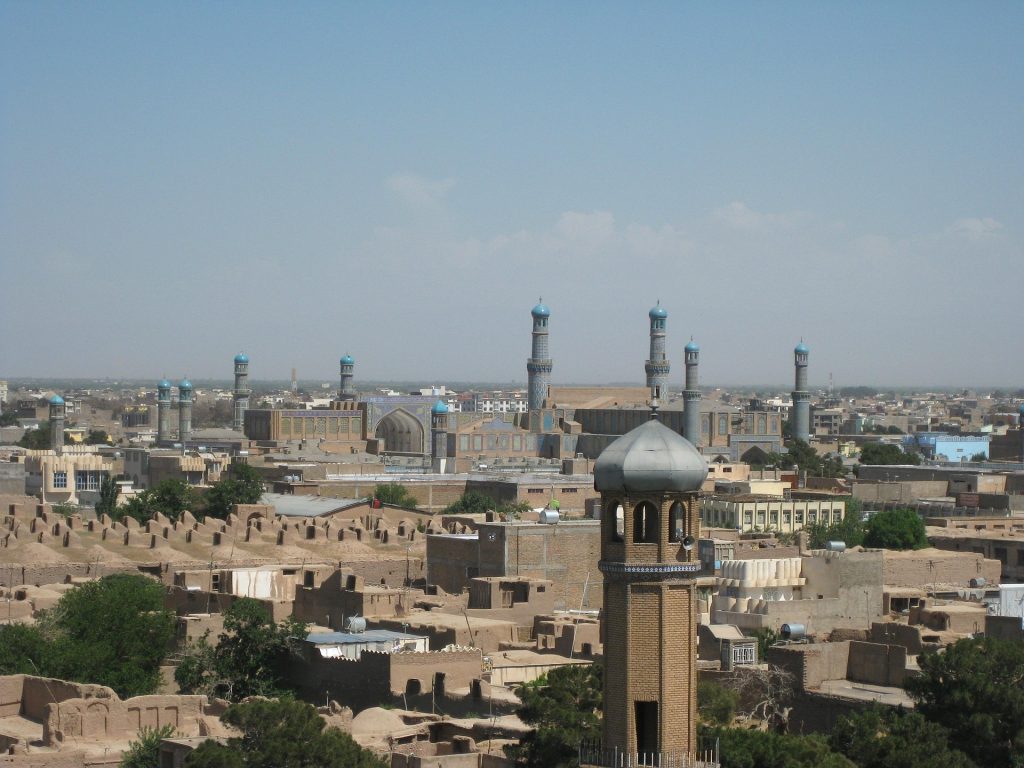
Afghanistan’s uniqueness lies in its layered history, dramatic landscapes, and strong community values. From ancient Buddhist sites in Bamyan to Timurid architecture in Herat, the country carries deep historical continuity.
Equally unique is the authenticity of daily life. Tourism is not staged; interactions are genuine and unscripted.
Travelers who arrive prepared experience a destination defined by resilience, hospitality, and cultural depth.Q6. Will locals stare at tourists?
Yes, especially in smaller towns or rural areas. Staring is usually curiosity rather than hostility.
Foreign visitors remain uncommon in many regions, and interest is natural. A relaxed demeanor and friendly smile typically ease interactions.
ATE prepares travelers for this reality so curiosity is understood within cultural context.Q7. What is the biggest culture shock?
The biggest adjustment for many travelers is the level of conservatism in dress and public behavior. Gender roles are more visible than in Western societies.
Infrastructure differences, such as road quality or limited nightlife, may also feel unfamiliar.
Understanding expectations in advance reduces culture shock and allows travelers to focus on meaningful engagement rather than comparison.
Planning travel to Afghanistan? Get structured routes, updated guidance, and on-ground logistics support through ATE.
- Our Expert Are Ready 24/7